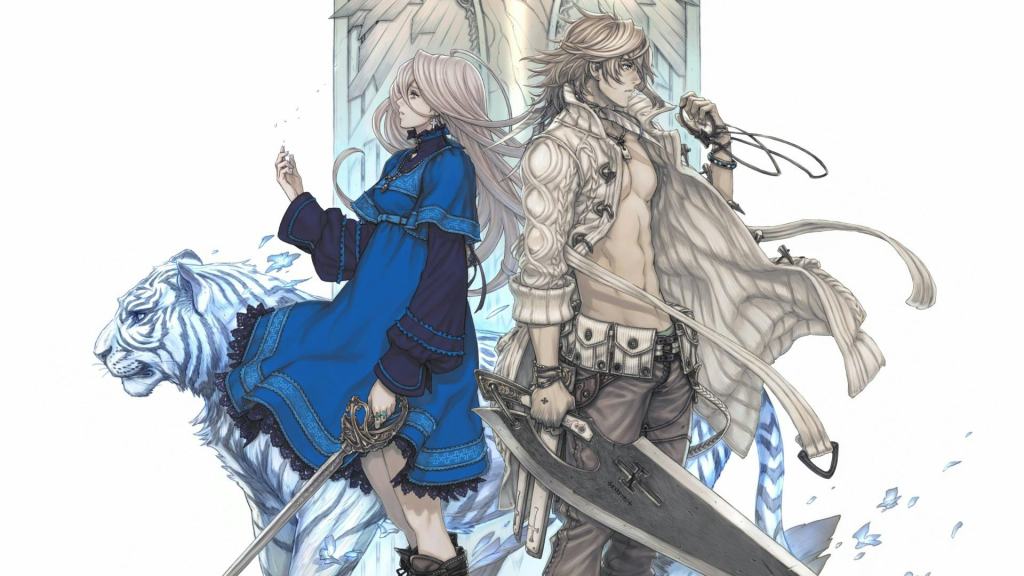
Out of the three Operation Rainfall games from back in the day, The Last Story is the only one that has eluded me for years. It lives in the shadow of Xenoblade Chronicles, and Pandora’s Tower is easily compared to The Legend of Zelda. I feel like this one fell into obscurity the most, and that’s a damn shame – because I should have played this game sooner.
Developed by Mistwalker, the studio headed by Final Fantasy creator Hironobu Sakaguchi, and composed by legendary Nobuo Uematsu – The Last Story hits a lot of the same highs as any classic Final Fantasy game. A unique and interesting world, a timeless OST with tracks that can bring tears to your eyes, great character design, and a great story that keeps you at the edge of your seat. On top of all of that, the combat is ambitious – and that’s the first thing I wanna dig into.
It’s a strange coincidence that I brainstormed a lot of this game’s mechanics in my head days before playing this for the first time, thinking “I can’t believe nobody has made a game with these mechanics before”. Turns out I’m not so creative after all. Combat revolves around positional awareness and control, to the point where you’re given a button to toggle enemy hate towards or away from you. As a tank main in MMOs, this had me real excited – but it goes even deeper than just being used as an aggro control ability. By using “gathering” as it’s called, you can allow your party breathing room to cast magic that will leave areas of effect on the ground. It is then up to you (Zael) to diffuse these areas using your abilities to remove them and trigger a more powerful effect. You can use the same abilities to nullify enemy areas of effect as well. This song and dance feels fantastic when you are given ample time to interact with it, and darting across the battlefield to snatch a heal or trip enemies becomes really satisfying.
When you’re not in the thick of action, you have various options for ranged or tactical approaches to combat. The Last Story was influenced by more modern action games in its design at the time, and has a full cover system and 3rd person shooter mechanics that blend in well with the rest of the action. On top of this, you will unlock the ability to pause time and command your party from an overhead view – as well as point to objects in the environment to ask your teammates to assist in destroying or interacting with parts of the environment. Despite the mishmash of genres, combat still flows very coherently. Assessing the encounter prior to engaging to determine your best approach has a very unique feel in this game. You can tackle fights head-on, but sometimes it may be better to tackle a fight from long range – or even take a more stealthy approach. I only wish that more battles would last long enough to interact with these mechanics more, but the fights in the later stages of the game provide you the opportunity to put your mastery to the test. If you’re looking for an RPG with some truly unique combat ideas, you could do a whole lot worse.
All of that is fueled by another killer soundtrack from Nobuo Uematsu of Final Fantasy fame as well. Now, I’m FAR from a musical expert, but I do know about leitmotifs and I am a massive sucker for them. This game’s use of a particular leitmotif pulled from its main theme in many tracks is masterful. It never fails to hype me up and lift my spirits when it kicks in in the middle of combat, a dramatic cutscene, or even just walking around the game’s hub city. Aside from that, the combat tracks are energetic and powerful. The overall track list is relatively small, but it manages to remain memorable due to its quality. I never grew tired of listening to any song in The Last Story‘s repertoire, and even found myself lingering on the title screen just to hear a little more. When I start doing that, that’s how I know it’s great.
And finally, the last pillar of a great RPG is its writing. The overall plot here isn’t all too original, but it’s scope fits well with the game’s fairly short runtime (25-30 hours), and the characters are so lovable that it ends up making up for it. The start of the game spends a good deal of time introducing you to each character, their personal stake in their journey, and establishing the relationship between Zael and Calista. It’s a deeply personal story, focusing mostly on Zael and the people influencing his path in life. It’s well paced, focused, and manages to earn its more emotional moments despite not having the most time to build them up. It may not be a story you’ll remember forever, but it’s got a lot of heart and conveys its messages well. Certainly enough to carry you through to the end, and even heartbreaking in some moments as someone who enjoys the drama of a good fantasy romance story.
All told, The Last Story stands on its own as a fantastic RPG that lives up to the two big names on the box – and it shouldn’t just be remembered as one of “those other two” games that resulted from Operation Rainfall. It brings its own unique ideas to the table, and managed to scratch the itch I had for a solid JRPG with emphasis on your positioning and control of the battlefield. These ideas almost made me dip into development again myself, but since a game like this does exist actually – I think my appetite for that kind of punishment has been sated. The Last Story easily takes a spot amongst my favorite Wii games.


Leave a Reply